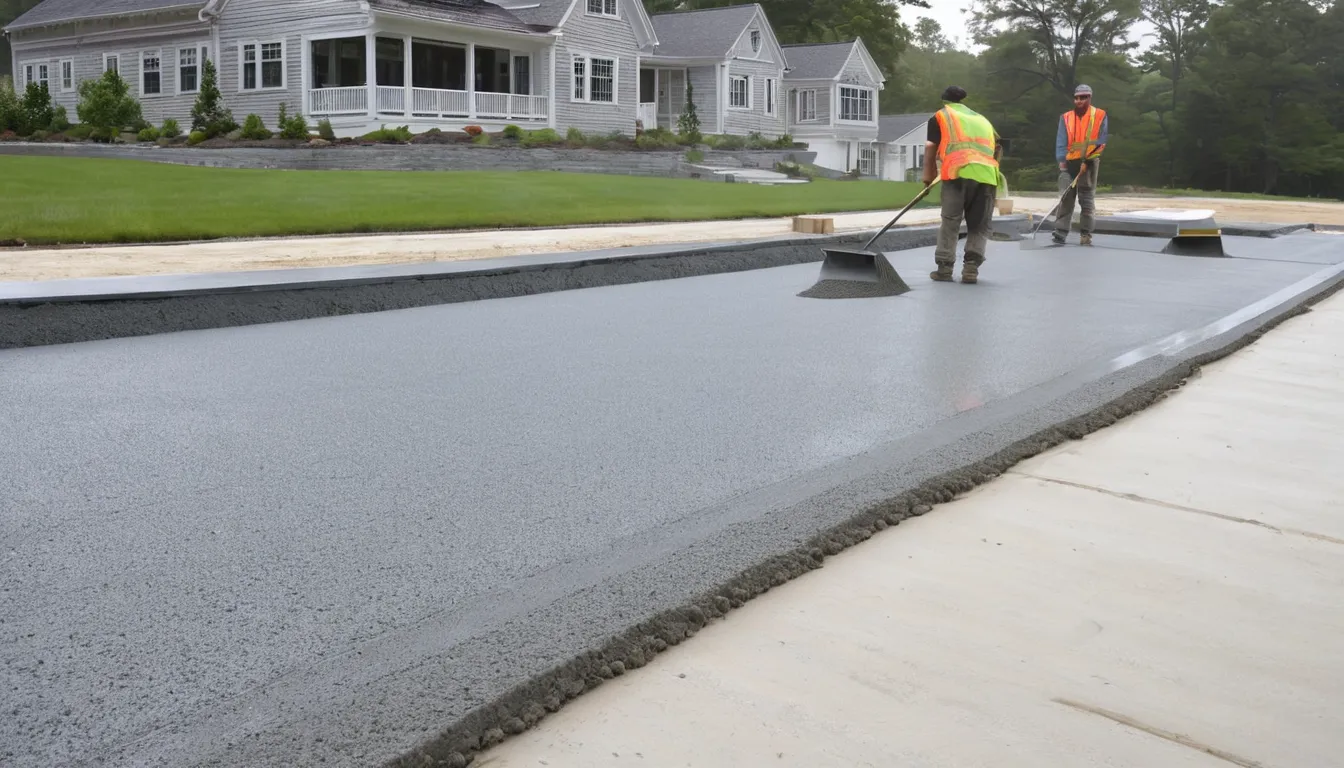
A driveway is the first thing people see. It also takes the weight of your cars, your snow shovel and every freeze and thaw. A new slab done right protects your home and its resale value.
Myfxcess Concrete is a referral service. We do not pour concrete. Independent local providers do that work. We help you reach one in Chester Heights and the Chester Heights area. You share your plans, and a provider talks with you about size, thickness, finish and price. Built right, built once.
Is it time for a new driveway?
Maybe your slab is old. Maybe it has more cracks than you can count. Or maybe you just bought a house with gravel or worn asphalt. Any of these can start a new driveway project.
This page walks you through the job in plain words. Providers do the work. We make the connection.
Signs the slab is past saving
Some damage can wait. Some cannot. Look for these signs:
- Wide cracks that keep growing
- Chunks that flake or crumble
- Sunken sections where water pools
- Slabs that rock or sit at different heights
- Rough, pitted surface from years of salt and ice
One or two thin cracks are common. A provider may seal them. That is small concrete driveway repair, and it is not what this page covers. When damage is spread across the whole slab, replacing it often makes more sense than patching.
Why cold weather is hard on concrete
Concrete soaks up a little water. In winter, that water freezes and expands. Then it thaws. This freeze-thaw cycle cracks and flakes the surface, year after year. Road salt and spring snowmelt make it worse. Coastal storms add more moisture.
A good new driveway plans for all this. Ask providers how they handle it.
What a new driveway job includes
The steps are simple to follow:
- Measure the space and mark the edges
- Break up and haul away the old surface
- Dig down and level the ground
- Add a layer of packed gravel, called the base
- Set the wood or metal forms that shape the edges
- Add steel bars or wire mesh if the plan calls for it
- Pour, smooth and finish the concrete
- Cut joints so cracks form in neat lines
This kind of work is called concrete flatwork. It just means flat slabs like driveways, walks and patios.
Picking size, thickness and finish
Size comes first. A one-car driveway is narrower than a two-car one. Leave room to open car doors and to pile snow.
Thickness matters for weight. Many homes use about four inches. Heavy trucks or vans may need more. Ask the provider what they suggest and why.
Finish is the look and the grip. A broom finish leaves light lines that help tires and boots grip in ice. Smooth finishes look sleek but can be slick. Some owners add color or a border.
Slope and drainage protect your house
Water should run away from your home. A good provider sets a gentle slope so rain and melting snow leave the driveway and the foundation.
Older homes with stone or block foundations are extra sensitive to pooled water. If you already see wall cracks or wet basement spots, talk to foundation repair experts before you pour. Fix the cause first, then set the new slab.
Permits and the street apron
The apron is the short strip where your driveway meets the street. Many towns own that strip or control its rules. You may need a permit to change it.
Ask each provider who handles the permit. Some pull it for you. Others expect the homeowner to do it. Get the answer in writing.
How to choose a concrete provider
In our network, providers are independent local businesses. You still need to check each one. Ask these questions:
- Do you carry business insurance and any license your area requires?
- Can you show photos of recent driveways?
- What base and thickness do you plan to use?
- How do you handle drainage and joints?
- What does the written quote cover?
Compare at least two quotes. Look at the details, not just the total.
Timing a pour
Concrete needs mild weather to cure well. Very cold or very hot days cause trouble. In cold regions, most pours happen from spring to fall. Book early, since busy seasons fill up.
Request a callback to check provider availability in your area.
After the pour
The slab needs time to harden. Keep cars and heavy loads off until the provider says it is safe. Many providers ask for about a week before regular car traffic.
Keep pets, bikes and feet off the wet surface. Water the slab if the provider tells you to.
Caring for your new driveway
A sealer is a clear coat that helps block water and salt. Many providers suggest it after the concrete has cured. Ask when to apply it and how often.
Use a plastic shovel in winter. Metal blades can chip the edges. Go easy on de-icing salt in the first winter.
Protecting value for the long run
Buyers notice a clean, even driveway. They also notice cracks and puddles. A well-built slab helps your curb appeal and can ease resale talks. Keep your written quote and any notes from the provider. They show you did the job right.
Thinking about a patio too?
Many owners add a back patio during the same visit. Stamped concrete patios use patterns that look like stone or brick. They have their own page on this site. Ask providers if they can quote both jobs together.
What's Included
Old Slab Removal
The provider breaks up the worn driveway and hauls the pieces away so the site is clear.
Base and Grading
Packed gravel and a gentle slope help the slab stay level and shed water.
Forms and Reinforcement
Forms shape the edges. Steel bars or mesh help hold the slab together.
Pour, Finish and Joints
Concrete is poured, smoothed and cut so cracks follow neat lines.
What a New Driveway Typically Costs
Prices vary by size, site and region. These are typical U.S. ranges only. Always get a written quote from the provider before work starts.
| Item | Typical range | Notes |
|---|---|---|
| Basic poured driveway, per sq ft | $6 – $12 | Plain broom finish, standard thickness |
| Single-car driveway total | $2,500 – $5,000 | About 10 by 20 feet, varies widely |
| Two-car driveway total | $4,500 – $9,000 | Larger area and more concrete |
| Old slab removal | $1 – $3 per sq ft | Depends on thickness and hauling |
| Color or decorative finish | $2 – $8 per sq ft | Added on top of the basic price |
| Permit and apron work | $50 – $1,500 | Fees and rules differ by town |
How It Works
Share Your Plans
Tell us your address area, driveway size and any ideas on finish or timing.
Get Matched With a Provider
We connect you with an independent local provider in our network who handles new driveways.
Review the Written Quote
The provider looks at your site and sends a quote that spells out the work.
Provider Pours Your Driveway
If you agree, the provider schedules and completes the job. You approve the result.
Why Call Myfxcess Concrete
Plain Talk, Solid Slabs
We explain each step in simple words, so you know what to ask and what to expect.
Providers Do Work
Independent local providers pour the concrete. We only make the connection, and we say so up front.
Home Value
A well-built driveway protects your property, boosts curb appeal and helps at resale time for years.
No Pressure
Ask questions, compare quotes and decide at your pace. There is no obligation.
Other Services
Need concrete driveways services in Chester Heights?
Ready to plan a new driveway or patio? Request a callback or send a request, and we will connect you with a local provider.
No obligationConcrete Driveways Services FAQ
- How long does a concrete driveway last?
- A well-built concrete driveway often lasts 25 to 50 years. Climate, base prep, drainage and salt use all matter. Cold regions with freeze-thaw cycles may see wear sooner, so good prep and sealing help a lot.
- How long before I can drive on a new concrete driveway?
- Many providers ask you to wait about seven days before regular car traffic. Heavy trucks may need longer. Follow your provider's advice, since weather and the concrete mix can change how fast the slab cures.
- Do I need a permit to replace my driveway?
- Often yes, especially if the work touches the street apron or changes the size. Rules differ by town. Ask each provider who pulls the permit, and check with your local building office before the job starts.
Tell us what happened
Ready to plan a new driveway or patio? Request a callback or send a request, and we will connect you with a local provider.
No obligation