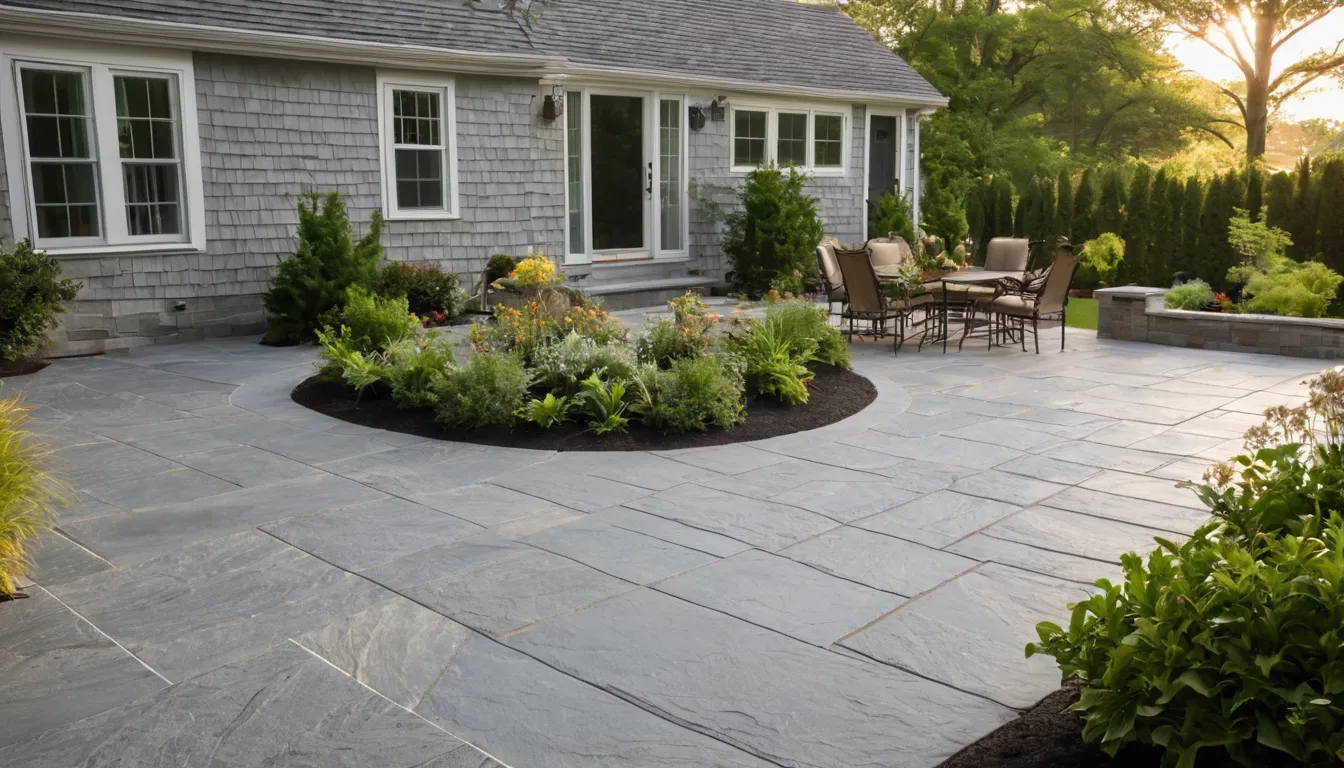
Stamped concrete is a poured slab pressed with patterns. It can look like stone, brick or wood. It costs less than most real stone, and it makes a patio or walkway feel finished. A well-built slab also protects your home's value when it is time to sell.
Myfxcess Concrete is a referral service. We do not pour concrete. We connect homeowners in the Chester Heights area with independent local providers who do. You tell us about your project. A provider in our network can then talk through the design, the timing and a written quote. Providers do the work. We make the connection, and you decide what happens next.
Thinking About Stamped Concrete? Start With the Calendar
Concrete is picky about weather. A cold night can ruin a fresh pour. So timing comes before pattern and color.
Why Timing Comes First
Good providers fill their calendars in the warm months. Want a patio by early summer? Start asking in late winter. Early planning also gives you time to compare written quotes.
Cold Snaps and Fresh Concrete
Wet concrete holds water. If that water turns to ice, the top layer gets weak and can flake later. Some providers pause pours in hard cold. Others use heated blankets. Ask how the provider handles it.
How Stamped Concrete Is Made
The slab is plain concrete at first. The provider pours it, then presses patterns into the top while it is still soft. The result looks like another material.
The Steps on Site
The provider's crew digs out the area and lays a gravel base. They set forms, which are wood edges that hold the shape. Then they pour, smooth, color and stamp the surface.
Two Ways to Add Color
Color can be mixed into the concrete, so it runs all the way through. Providers can also dust a color powder on top. That powder also keeps the stamp mats from sticking.
Popular Patterns and Colors
Slate, random stone, brick and wood plank are common picks. Soft grays, warm tans and charcoal blend well with most siding.
Matching an Older Home
Homes with stone or block foundations often look right with muted tones. A Cape Cod style house suits a quiet brick or a gray slate. Loud colors can age badly and may hurt resale.
Where Stamped Concrete Works Well
Think patios, walkways, porch landings, steps and pool surrounds. These flat slabs are called concrete flatwork. They carry foot traffic and furniture well.
Check the Foundation First
Look at the wall beside the planned slab. See cracks, bulges or loose stones? Talk to foundation repair experts first. A new patio should not hide a problem. It also should not trap water against the wall.
Stamped Concrete vs. Pavers
Pavers are separate stones laid on sand. Stamped concrete is one solid slab. A slab has fewer seams, so weeds have less room to grow. Pavers can be lifted and reset, which helps if you need to reach a pipe later.
Stamped concrete often costs less up front. Pavers can be easier to fix in small pieces. Both look good when built right.
Ground Prep Matters Either Way
Neither choice lasts on weak soil. The base needs to be packed firm. The surface needs a slight slope so water runs away from the house. Ask each provider how they plan this.
Request a callback to check provider availability for your season.
How Long the Job Takes
Most patios take a few days of active work. Prep and forms come first. The pour and stamping happen in one long day. Then the slab needs time to cure, which means to harden. Rain, heat or cold can stretch the schedule.
When You Can Use It
Foot traffic is often fine after a few days. Heavy furniture and grills usually wait longer. Your provider will give you dates.
Caring for Stamped Concrete
Good care is simple. Sweep it. Rinse it. Clean up spills fast.
Sealing Keeps Color Bright
A sealer is a clear coat that guards the surface. Most slabs need a fresh coat every few years. Ask the provider what product they use and how often to redo it.
Winter Habits
Use a plastic shovel, not a metal one. Skip rock salt, which can pit the top. Sand gives grip without the harm. Repeated thaw cycles are hard on any slab, so a good seal and good drainage help.
Small Cracks in Old Slabs
This page is about new work. Cracks in an older slab are a different job, often called concrete driveway repair or patio repair. Tell the provider what you have so they can say what fits.
Choosing a Stamped Concrete Provider
Stamped work takes a steady hand and good timing. Not every concrete crew does it well.
Questions to Ask
- Have you stamped patios like mine?
- Can I see photos of finished jobs?
- How do you prepare the base?
- How do you handle cold or rain?
- How and when do you seal it?
Get It in Writing
A written quote should list the size, the pattern, the color, the base work and the sealer. It should also list the payment steps. Check that the provider holds any license your area requires. Compare more than one quote.
Who Does What
Myfxcess Concrete is a referral service. We do not pour, stamp or seal anything. Independent providers in our network do that work, and each one sets its own prices and schedule. We only make the connection. Plain talk, solid slabs.
What's Included
Pattern Choices
Providers can press stone, brick, slate or wood looks into a fresh slab.
Color and Finish Options
Pick a tint that suits your siding, then add a sealer for shine or grip.
Base and Drainage
Good prep means packed gravel and a slight slope that sends water away from the home.
Sealing and Cure
A clear coat guards the surface, and the slab needs time to harden fully.
Typical Stamped Concrete Costs
Prices change with size, pattern, soil and season. These are typical U.S. ranges only. Ask each provider for a written quote that lists every part of the job.
| Item | Typical range | Notes |
|---|---|---|
| Stamped patio, per sq ft | $8 – $18 | Complex patterns cost more |
| Plain gray slab, per sq ft | $6 – $12 | Useful for comparing quotes |
| Color powder add-on, per sq ft | $1 – $3 | Often priced with the pattern |
| Base prep and grading, per sq ft | $1 – $4 | Soil and drainage change the price |
| Sealer, per sq ft | $1 – $3 | Needs a fresh coat every few years |
| Removing an old slab, per sq ft | $2 – $6 | Depends on thickness and access |
How It Works
Tell Us Your Plan
Share the size, the spot and the look you want. Request a callback or use the request form.
Meet a Provider
A local provider in our network gets in touch to talk through your project.
Review the Written Quote
Check the pattern, color, base work and sealer. Compare it with other quotes.
Provider Does the Work
The provider preps, pours, stamps and seals. You approve the finished slab.
Why Call Myfxcess Concrete
Built Right, Built Once
Careful prep and a clean pour help a slab last for many years.
Protects Value
A neat patio adds curb appeal and can help when you sell.
Clear Roles
Providers do the work. We only connect you with them.
Calm Process
No pressure. You compare quotes and choose when you are ready.
Other Services
Need residential stamped concrete in Chester Heights?
Ready to plan a new driveway or patio? Request a callback or send a request, and we will connect you with a local provider.
No obligationResidential Stamped Concrete FAQ
- How long does a stamped concrete patio last?
- With a solid base and regular sealing, a stamped patio can last for decades. Cold winters, poor drainage and skipped sealer can shorten that. Ask your provider for a care plan in writing.
- Is stamped concrete slippery when wet or icy?
- Smooth sealed concrete can get slick when wet or icy. Providers can add a grip additive to the sealer or use a rougher finish. Tell them if the patio will see ice, rain or pool splash so they can plan for it.
- Can stamped concrete be poured over an old patio?
- Sometimes a thin overlay can go on a sound slab. If the old slab is cracked or shifting, a full tear-out is usually better. A local provider can inspect it and explain your options.
Tell us what happened
Ready to plan a new driveway or patio? Request a callback or send a request, and we will connect you with a local provider.
No obligation